

The development of robotic exoskeletons represents one of the most fascinating intersections of technology and human capability. Originally conceived for military applications, these wearable machines have evolved significantly, leading to their potential to transform the lives of people with disabilities. Robotic exoskeletons are designed to augment human strength, assist in mobility, and enable physical rehabilitation.
What Are Robotic Exoskeletons?
Robotic exoskeletons are wearable devices that enhance human movement by providing physical support and strength. Essentially, they are external frameworks that fit over a person's body, equipped with motors, sensors, and controls. These devices work in tandem with the user’s muscle movements, amplifying their ability to walk, lift heavy objects, or perform complex movements.
Types of Robotic Exoskeletons
Robotic exoskeletons can be classified based on their intended application:
Passive Exoskeletons: These devices do not contain motors but use mechanical structures to reduce fatigue by redistributing weight and providing support to specific joints.
Active Exoskeletons: These are powered devices that actively assist the wearer in performing movements. They use motors and sensors to amplify motion based on user intent.
Rehabilitation Exoskeletons: These devices are specifically designed for therapy and rehabilitation, helping individuals with physical impairments regain mobility and strength.
Industrial Exoskeletons: Tailored for workplace applications, these exoskeletons assist workers in lifting heavy loads and prevent injuries related to repetitive strain.
Military Exoskeletons: Developed for soldiers, these enhance strength and endurance, enabling them to carry heavy loads over long distances.
Historical Context
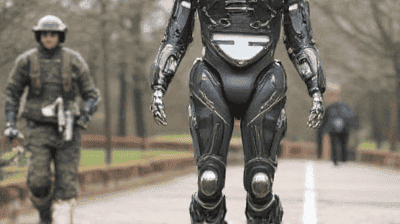
The concept of exoskeletons dates back several decades, with early designs primarily focused on military applications. However, technological advancements have broadened the scope of exoskeleton development.
Early Developments
The earliest significant work on exoskeletons was conducted in the 1960s by General Electric. The Hardiman exoskeleton was a mechanical suit that amplified the wearer's movements, but it was bulky and difficult to control.
Advancements in Technology
The progression of microelectronics, batteries, and sensor technology over the years has enabled the development of more advanced and practical exoskeletons. Significant milestones include:
1990s: Researchers began integrating computer controls and sensors, improving the usability and responsiveness of exoskeletons.
2000s: Companies like Cyberdyne and Ekso Bionics emerged, developing the first commercially available robotic exoskeletons designed for rehabilitation and mobility assistance.
2010s: Notable advancements included more user-friendly designs, developments in lightweight materials, and enhanced battery life, making exoskeletons more accessible and effective.
How Robotic Exoskeletons Work
Robotic exoskeletons employ a combination of sensors, actuators, control systems, and power sources to assist users in movement.
Key Components
Sensors: These detect the user’s movements and intentions. Common sensors include accelerometers, gyroscopes, and force sensors. They help analyze the user's motion to provide appropriate assistance.
Actuators: These are powered components, typically electric motors or pneumatic systems, that enable movement of the exoskeleton joints in response to user input.
Control Systems: The control unit processes data from the sensors and commands the actuators to initiate movement. Advanced algorithms allow the exoskeleton to adapt to different movements and terrains.
Power Supply: Exoskeletons are powered by batteries or other energy sources, which must be lightweight and efficient to ensure usability without adding excessive weight.
Movement Assistance
When a user intends to walk or perform an action, the sensors detect the movement. The control system processes this information and activates the appropriate actuators, which assist the user's motions. Active exoskeletons can provide varying levels of support depending on the user's strength and ability.
Applications of Robotic Exoskeletons
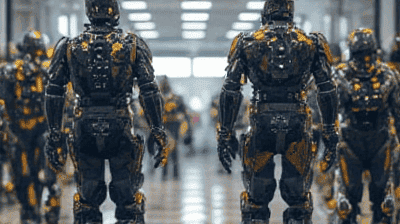
Military Use
One of the first significant applications of robotic exoskeletons was within the military sector. These devices aim to enhance the physical capabilities of soldiers, enabling them to carry heavier loads for extended periods without fatigue.
Examples
Tactical Assault Light Operator Suit (TALOS): Developed by the U.S. military, TALOS is designed to provide soldiers with enhanced strength, endurance, and protection. It incorporates advanced materials, sensors, and displays to improve situational awareness.
HULC (Human Universal Load Carrier): Developed by Ekso Bionics and designed for the U.S. Army, HULC allows soldiers to carry loads of up to 200 pounds while reducing the physical strain on the body.
Rehabilitation and Medical Use
One of the most transformative applications of robotic exoskeletons is in medical rehabilitation. These devices are designed to assist individuals with spinal cord injuries, strokes, or other mobility impairments, helping them regain independence and improve their quality of life.
Examples
EksoGT: This exoskeleton is used in rehabilitation facilities to help patients with lower limb disabilities walk again. It provides powered assistance during gait training, facilitating muscle engagement and recovery.
ReWalk: A wearable exoskeleton that enables individuals with paraplegia to stand upright and walk. It uses sensors to detect the user's intentions, providing assistance as needed.
Industrial Use
In industrial settings, robotic exoskeletons can improve worker safety and productivity by reducing the risk of injury associated with heavy lifting and repetitive tasks.
Examples
Activelift: An industrial exoskeleton designed to assist workers in lifting heavy objects safely, reducing the strain on their backs and shoulders.
SuitX: This exoskeleton features modular designs for various tasks, allowing workers to customize their support based on the job, improving efficiency and reducing fatigue.
Everyday Applications
As technology advances, robotic exoskeletons are becoming more accessible to the general public. Some companies are exploring designs that can assist with daily activities, enhancing mobility for older adults or individuals with disabilities.
Examples
Halo: A lightweight, portable exoskeleton designed for use in everyday life, helping users with mobility challenges walk independently or with less strain.
NEXUS: A rehabilitation exoskeleton intended for at-home use, enabling users to practice walking safely and effectively in their environment.
Benefits of Robotic Exoskeletons
The development of robotic exoskeletons offers a range of benefits across different applications:
Enhanced Mobility
For individuals with mobility impairments, exoskeletons can provide newfound independence, enabling them to walk, stand, and perform daily tasks that were previously challenging or impossible.
Improved Rehabilitation
Robotic exoskeletons can significantly enhance rehabilitation outcomes. They provide consistent, repeatable movements that can help patients strengthen muscles, improve coordination, and recover lost mobility faster.
Worker Safety and Productivity
In industrial applications, exoskeletons reduce the risk of injury related to heavy lifting and repetitive strain. By assisting workers physically, they promote a safer work environment and can lead to increased productivity.
Quality of Life
Ultimately, the use of robotic exoskeletons can enhance the quality of life for individuals. By providing mobility and independence, these devices help restore a sense of normalcy and improve mental well-being.
Challenges and Limitations
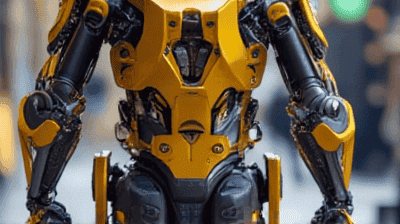
While the potential applications of robotic exoskeletons are vast, there are significant challenges and limitations to consider:
Cost
Robotic exoskeletons can be expensive to manufacture and purchase, limiting accessibility for many potential users. Advances in technology and manufacturing processes are needed to reduce costs and improve affordability.
Battery Life
Currently, battery life can be a limitation, particularly for active exoskeletons. Ensuring that exoskeletons can operate for extended periods without frequent recharging is vital for practical use, especially in rehabilitation and industrial settings.
Comfort and Fit
A critical factor in the usability of exoskeletons is comfort. Poorly fitting devices can cause discomfort and hinder movement, preventing users from fully benefiting from the technology. Continued advancements in design and customization are necessary to enhance user experience.
User Training
For effective use, individuals may require training to effectively operate robotic exoskeletons, particularly those intended for rehabilitation. Ensuring that users can adapt to and feel confident with the technology is essential for success.
Social Acceptance
The introduction of robotic exoskeletons into daily life raises questions about societal acceptance and stigma. Encouraging positive perceptions of wearers is crucial to fostering broader acceptance of these technologies.
The Future of Robotic Exoskeletons
As technology continues to evolve, the future of robotic exoskeletons holds exciting possibilities:
Advanced Materials
The integration of lightweight, durable materials such as carbon fiber and advanced polymers into exoskeleton designs will further enhance usability and comfort. These materials will help create efficient, powerful devices that are more accessible to users.
AI and Machine Learning
The incorporation of artificial intelligence and machine learning algorithms will enable exoskeletons to become more adaptive, allowing them to learn from users’ movements and needs. This will enhance their responsiveness and increase effectiveness during use.
Increased Connectivity
With the growth of the Internet of Things (IoT) and smart technology, exoskeletons will likely integrate with other devices and systems, enabling data sharing and improved user experience. Real-time monitoring and feedback can enhance rehabilitation processes and user interactions.
Broader Applications
The applications of robotic exoskeletons will continue to expand beyond medical and military uses. Future developments may include consumer-focused devices for home use and broader adoption in recreational activities, sports, and fitness.
Policy and Research
As the field grows, increased research and collaboration between engineers, healthcare professionals, and policymakers will help address ethical and regulatory considerations. Creating comprehensive guidelines will ensure safe and effective use of exoskeleton technology.
Conclusion
Robotic exoskeletons represent a transformative advancement in technology that bridges the gap between human capability and machine assistance. From their military origins to applications in rehabilitation and beyond, these devices showcase the incredible potential of robotics in enhancing mobility and quality of life.
As research and technology continue to advance, robotic exoskeletons will likely become more sophisticated, affordable, and widely adopted. The dream of enabling individuals with mobility impairments to walk again is becoming a reality, promising a future where technology enhances human capability and independence.
Popular Posts

Terrace Farming: How Ancient Methods Prevent Soil Erosion
As the global population continues to grow and the demand for food increases, the challenges facing modern agriculture have become more pronounced. One of the most significant issues is soil erosion, which can lead to reduced agricultural productivity, loss of arable land, and adverse environmental impacts.
Flexible Electronics: The Future of Bendable Phones and Wearable Tech
In our fast-paced world, technology is evolving at lightning speed, with innovations reshaping the way we interact with devices. One of the most exciting frontiers in this realm is flexible electronics, a field that promises to revolutionize the design and functionality of consumer gadgets. From bendable smartphones to wearable technology, flexible electronics are set to transform our daily lives in ways we have only begun to imagine.

Exoplanet Atmospheres: How JWST Is Detecting Signs of Alien Life Beyond Our Solar System
The quest for extraterrestrial life has captivated humanity for millennia. As we evolve in our understanding of the cosmos, we increasingly focus on the search for life beyond our own planet. A major advancement in this pursuit is the recent launch of the James Webb Space Telescope (JWST), designed to study the atmospheres of exoplanets like never before.

Volcanic Eruptions: What Causes Them and Can We Predict Them?
Volcanic eruptions are some of the most powerful and dramatic natural phenomena on Earth. From the fiery lava flows of Kilauea in Hawaii to the cataclysmic explosions of Mount Vesuvius in Italy, these eruptions can reshape landscapes, affect ecosystems, and pose significant risks to human life. Understanding the causes of volcanic eruptions and the potential for predicting them is crucial for ensuring safety and minimizing the impacts on communities living near active volcanoes.

The Carbon Footprint of Your Plate: Which Diets Are Best for the Planet?
As climate change continues to impact our planet, individuals and communities are searching for ways to reduce their carbon footprints and promote sustainability. One of the most significant contributors to greenhouse gas emissions is the food system, including agricultural practices, transportation, and food waste.

Why Some People Never Get Sick: The Genetics and Habits of Super-Immunity
Have you ever wondered why some people seem to breeze through the cold and flu season unscathed while others are constantly battling sniffles or worse? The phenomenon of individuals who rarely, if ever, get sick has fascinated scientists for years.